Across the United States, an increasing number of school districts and state legislatures are moving toward cell phone bans in classrooms. Restrictions on student cell phone use during the school day are being implemented across the nation as more districts are implementing formal cell phone bans in classrooms and instructional time. These bans are designed to reduce distractions, improve student engagement, and create learning environments where students can focus more effectively on their studies.
These changes reflect a larger conversation about the role of technology in schools. While digital tools offer many benefits for teaching and learning, educators, parents, and policymakers are also considering the potential downsides. Concerns about student focus, classroom behavior, social interactions, and academic outcomes are driving many districts to reconsider the presence of personal devices during instructional hours. The goal is to strike a balance that allows technology to support learning without interfering with classroom engagement.
Why Cell Phone Bans Are Gaining Momentum
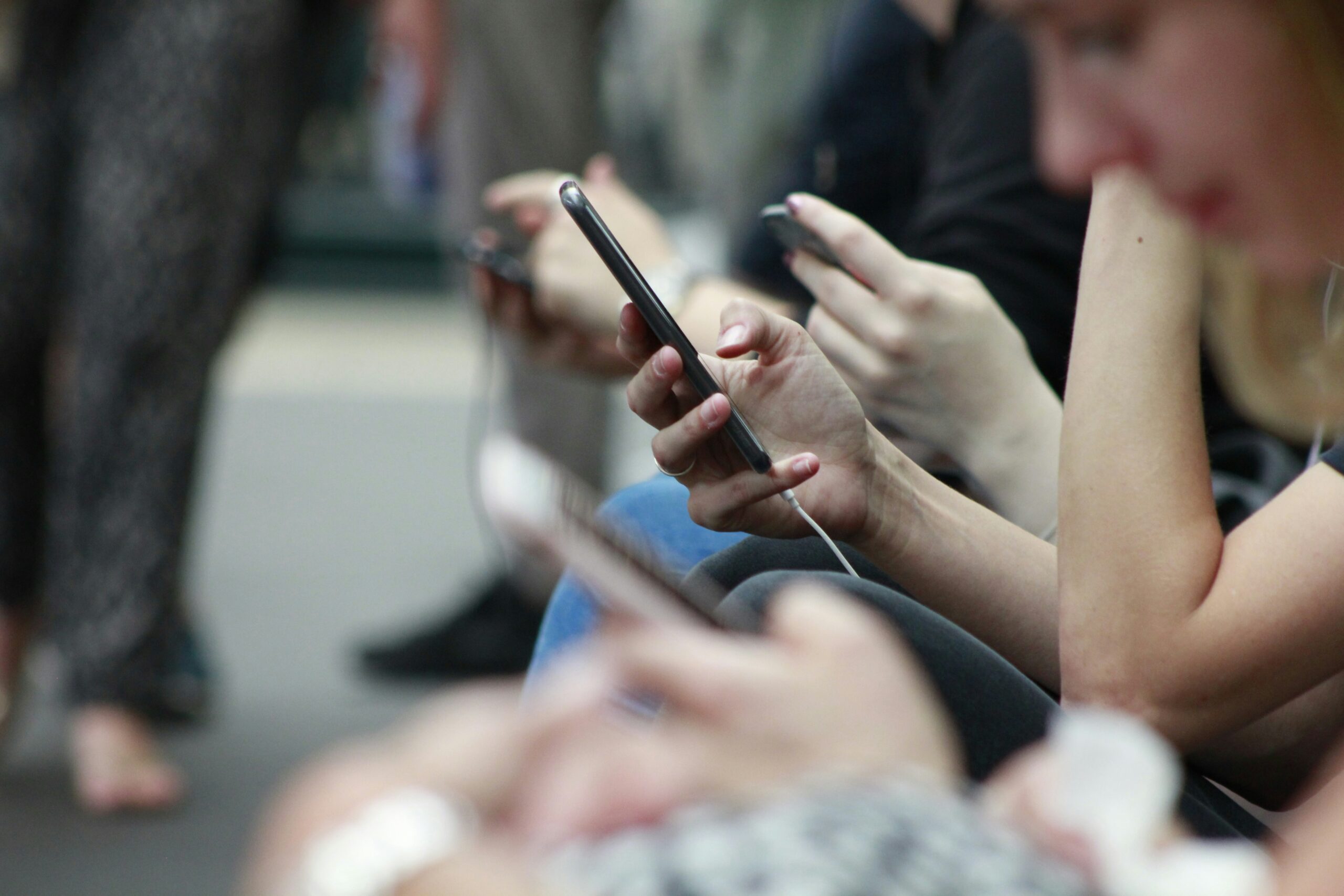
In classrooms where students frequently use smartphones, educators and researchers have observed a number of challenges. Students can become easily distracted from academic content, which reduces attention and participation during lessons.
Cell phones also increase the opportunity for off task behavior, such as browsing social media or messaging friends, during time that could otherwise be devoted to learning. Beyond academics, personal devices can contribute to social comparison, anxiety, and other emotional stressors that affect student wellbeing.
Research suggests that limiting cell phone access during school hours can have a positive impact on learning outcomes. Some studies have found improvements in test scores, classroom attendance, and overall engagement when schools implement policies to reduce non instructional phone use.
These findings have prompted many school districts and state legislatures to update their policies, either limiting or prohibiting student cell phone use in the classroom entirely. The intent is not to eliminate technology from education, but to reduce its use in ways that interfere with learning and classroom management.
What’s Changing in 2026
As of 2026, new policies regarding student cell phone use are being implemented in multiple states and districts. In some cases, state level legislation is requiring stricter control over access to personal devices during instructional time. School districts that adopted policies in 2024 and 2025 are now fully rolling out these rules for the upcoming school year, reflecting a trend toward standardized approaches to classroom technology.
In addition to formal bans, many districts are providing administrators and teachers with detailed guidance on implementation. Clarified enforcement guidelines help educators apply these policies fairly and consistently while maintaining a positive learning environment.
While the details vary by state and district, the overall direction is clear: cell phones will increasingly be restricted during core instructional periods.
How Schools Are Preparing
In anticipation of these changes, schools are taking proactive steps to ensure smooth implementation. One major step is updating student handbooks to reflect new expectations for cell phone use. These updates provide clear information about when and where devices may be stored or accessed, helping both students and families understand the new rules.
Clear communication with parents and guardians is another key strategy. Schools are emphasizing the purpose of cell phone restrictions and how these policies support student focus and engagement. When families understand the reasoning behind the policies, students are more likely to adjust positively to the changes.
Schools are also integrating alternatives to support student organization and engagement. With phones limited during class, educators are turning to tools such as planners, structured schedules, and teacher led check ins to help students track assignments, manage their time, and stay on task. These supports not only help students adjust to the new restrictions, but also reinforce important executive functioning skills that will benefit them beyond the classroom.
Professional development for teachers is another critical component. Training sessions are helping educators adapt lessons and classroom management strategies so they do not rely on student cell phones for instructional activities. Teachers are learning new ways to engage students, monitor progress, and maintain classroom order while implementing the new policies consistently and fairly.
What Parents and Students Can Expect
For students and families, the shift toward cell phone restrictions means more focused classroom time. Students will have clearer expectations about when phones are permitted, and new routines will be introduced for storing and accessing devices before and after school or during designated breaks. Parents may notice changes in how students manage their time and communicate about homework and assignments.
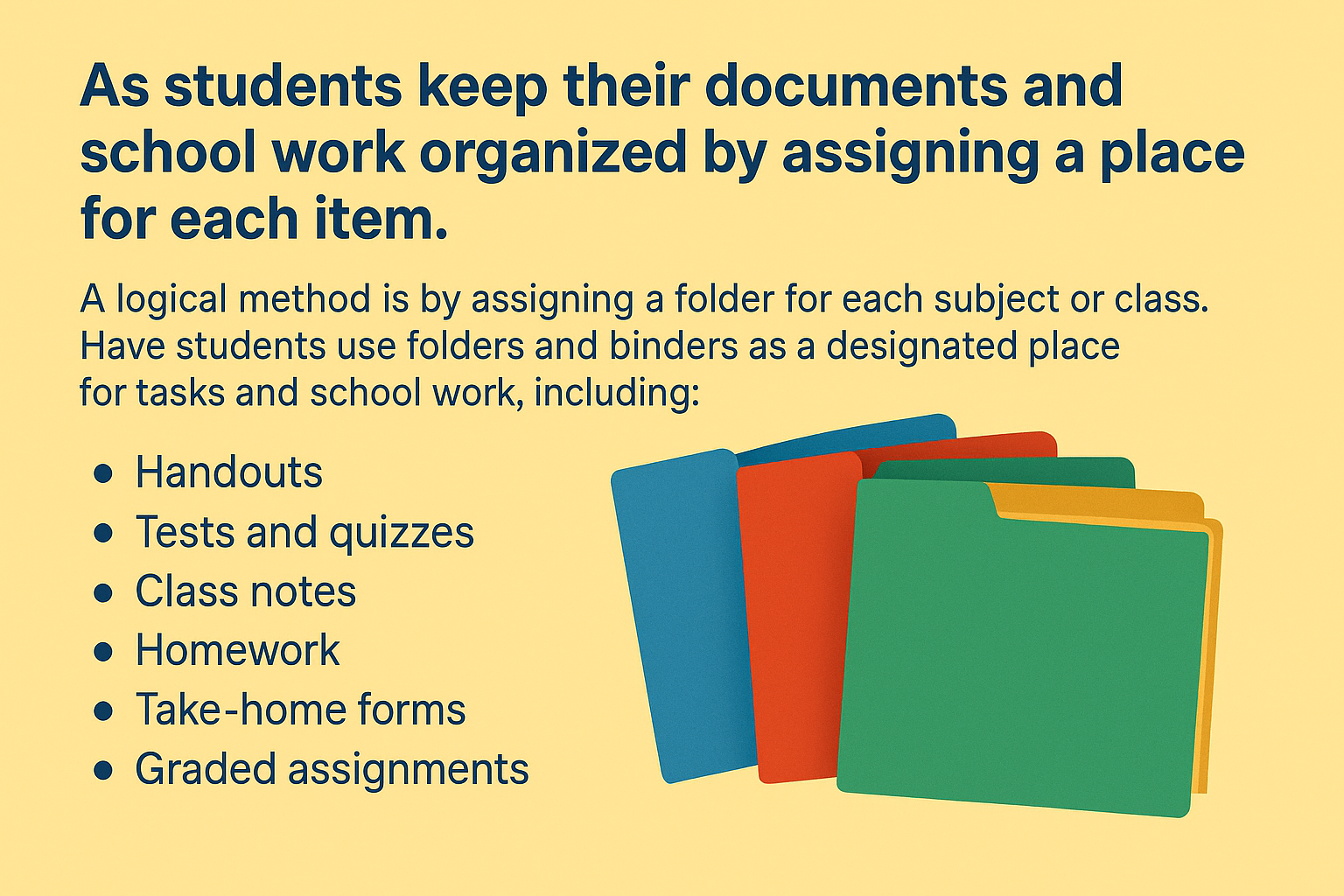
Many schools are encouraging students to use custom student planners or agendas to track assignments, deadlines, and schedules, especially as smartphones become less available during the school day. These organizational tools help students maintain responsibility for their own learning, prioritize tasks effectively, and develop habits that contribute to academic success.
Balancing Technology and Learning
It is important to note that cell phone bans are not the same as rejecting technology in schools altogether. In many classrooms, school provided devices and educational technology platforms continue to play a vital role in teaching and learning. The focus of these policies is on reducing the non instructional use of personal devices that can interfere with focus, engagement, and classroom culture. Technology remains a powerful tool for instruction, but the goal is to use it intentionally and purposefully rather than allowing distractions to disrupt learning.
By carefully balancing access to digital tools with structured routines and alternative supports, schools can maintain the benefits of technology while minimizing the negative impacts of constant personal device use.
Here’s a chart summarizing which U.S. states have enacted cell phone bans or restrictions in schools as of early 2026, based on multiple recent policy scans and reporting.
Note: As of March 19, 2026
| State | Cell Phone Policy Status | Type of Restriction |
|---|---|---|
| Alabama | Ban or restriction enacted | Full day bell to bell or statewide limitation (Campus Safety Magazine) |
| Arkansas | Ban or restriction enacted | Statewide limits on use (districts adopt policy) (Campus Safety Magazine) |
| Florida | Ban enacted | Prohibits cell phones during instructional time (Rockefeller Institute of Government) |
| Georgia | Ban enacted | K–8 statewide limitations (Campus Safety Magazine) |
| Indiana | Ban or restriction enacted | Instructional time ban required statewide (Rockefeller Institute of Government) |
| Iowa | Ban or restriction enacted | Statewide ban or restriction (Campus Safety Magazine) |
| Kentucky | Ban or restriction enacted | Statewide ban or restriction (Campus Safety Magazine) |
| Louisiana | Ban enacted | Statewide prohibition throughout instructional day (Rockefeller Institute of Government) |
| Missouri | Ban or restriction enacted | State level restriction or pending stronger ban (Campus Safety Magazine) |
| Nebraska | Ban or restriction enacted | Statewide law in place (Campus Safety Magazine) |
| Nevada | Ban or restriction enacted | Statewide law in place (Campus Safety Magazine) |
| New Hampshire | Ban or restriction enacted | Statewide law in place (Campus Safety Magazine) |
| New Jersey | Ban or restriction enacted | Law signed requiring districts to restrict use by 2026–27 (Reddit) |
| New York | Ban enacted / proposed statewide bell to bell | Law or budget plan includes outlawing phones during school hours (AP News) |
| North Carolina | Ban or restriction enacted | Statewide ban or active limits (Campus Safety Magazine) |
| North Dakota | Ban or restriction enacted | Requires cell phone policies restricting use (Rockefeller Institute of Government) |
| Ohio | Ban or restriction enacted | Statewide law in place (Campus Safety Magazine) |
| Oklahoma | Ban or restriction enacted | Statewide prohibition (Luxor Workspaces) |
| Oregon | Ban or restriction enacted | Requirement for policy restricting use (Luxor Workspaces) |
| South Carolina | Ban enacted | Statewide policy prohibiting use during school day (Luxor Workspaces) |
| Tennessee | Ban enacted | Statewide ban required (Luxor Workspaces) |
| Texas | Ban enacted | Law adopted requiring districts to prohibit phones (Luxor Workspaces) |
| Utah | Ban or restriction enacted | Statewide ban required (Luxor Workspaces) |
| Vermont | Ban or restriction enacted | Law requiring devices restricted (Luxor Workspaces) |
| Virginia | Ban enacted | Executive order / statewide guidance requiring restriction (Luxor Workspaces) |
| West Virginia | Ban or restriction enacted | Statewide requirement on policy limiting devices (Luxor Workspaces) |
| Wisconsin | Ban or restriction enacted | Statewide restriction on phones during instruction (AP News) |
| District of Columbia | Ban enacted | Bell to bell prohibition in public schools (Campus Safety Magazine) |
States With Other Types of Policies
These states do not have a statewide ban, but require schools to adopt local or district level phone policies:
- Arizona — districts required to restrict use (Aralia Education)
- California — state law requires districts to adopt limitations by 2026 (Rockefeller Institute of Government)
- Colorado — guidelines require districts to adopt policies (Rockefeller Institute of Government)
- Connecticut — common local restrictions but no statewide ban (Contentful)
States Without Current Statewide Policies
Several states have no statewide phone restrictions and leave policy to local school boards:
Examples include Delaware, Hawaii, Illinois, Maryland, Massachusetts, Mississippi, Montana, Pennsylvania, Rhode Island, South Dakota, and Wyoming. (Newsweek)
Looking Ahead
As 2026 unfolds, educators, parents, and students will be closely observing how these policies affect classroom culture, student engagement, and overall academic performance. Early adopters of cell phone restrictions have reported fewer disruptions, increased participation in class activities, and more intentional use of instructional time. However, successful implementation will depend on clear communication, consistent expectations, and ongoing support for students as they adjust to the new rules.
Cell phone bans are part of a broader effort to create classroom environments where students can fully focus, engage with instruction, and develop essential skills without constant digital distraction. Schools are using this opportunity to reinforce organizational skills, encourage accountability, and build stronger learning habits that will benefit students both inside and outside the classroom.
Families and educators can collaborate to support students through this transition by discussing the purpose of these policies, helping students establish effective routines, and providing tools such as planners or other organizational systems. By working together, schools and families can ensure that students thrive academically while adjusting to changes in how technology is used during the school day.
Ultimately, these changes highlight the importance of intentional technology use in schools. By limiting non instructional cell phone use, providing alternatives for organization, and supporting students and teachers during the transition, schools are setting the stage for more focused learning environments and improved academic outcomes.